


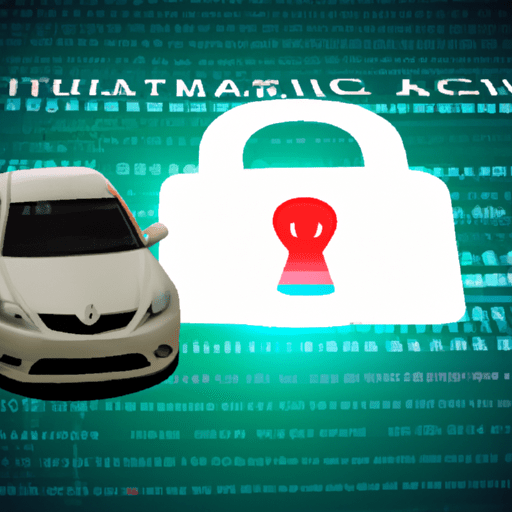
The rise of automotive hacking is becoming more evident nowadays as the world is becoming more digitalized. As cars become more connected to the internet, the potential for security risks and hacks becomes more concerning. This has led to an increase in cybercriminals targeting vehicles and their onboard systems, creating serious risks for drivers and passengers alike.
Recent years have seen a number of high-profile car hacking attacks, ranging from remote lockouts to manipulating engine systems, which have resulted in serious accidents and fatalities. With vehicles collecting and transmitting vast amounts of data, cybersecurity has become a critical issue for car manufactures and drivers alike.
To mitigate the risks associated with automotive hacking, car manufacturers are implementing various security measures such as secure software updates and advanced encryption techniques. Governments, too, are beginning to take notice of the situation and are creating regulations to ensure that vehicles meet minimum safety and security standards.
Despite these efforts, the threat of automotive hacking remains real and evolving, making it essential that car owners remain vigilant about the safety and security of their vehicles. The rise of automotive hacking serves as a reminder of the importance of cybersecurity in today’s increasingly digital world.
Recent years have seen a number of high-profile car hacking attacks, ranging from remote lockouts to manipulating engine systems, which have resulted in serious accidents and fatalities. With vehicles collecting and transmitting vast amounts of data, cybersecurity has become a critical issue for car manufactures and drivers alike.
To mitigate the risks associated with automotive hacking, car manufacturers are implementing various security measures such as secure software updates and advanced encryption techniques. Governments, too, are beginning to take notice of the situation and are creating regulations to ensure that vehicles meet minimum safety and security standards.
Despite these efforts, the threat of automotive hacking remains real and evolving, making it essential that car owners remain vigilant about the safety and security of their vehicles. The rise of automotive hacking serves as a reminder of the importance of cybersecurity in today’s increasingly digital world.
As cars become more connected and autonomous, the potential consequences of a successful automotive hack are only increasing. The financial and reputational damage to car manufacturers can be significant, while the impact on the public’s trust in self-driving cars could be devastating.
It’s not just cars that are at risk either. Other vehicles such as planes and boats are also vulnerable to hacking, with potentially catastrophic results.
So what can be done to protect against automotive hacking? As well as the measures mentioned above, experts suggest that car owners should keep their software up-to-date, not connect to unsecured Wi-Fi networks, and use two-factor authentication where possible.
It’s clear that as the automotive industry continues to innovate and embrace new technologies, the threat of hacking will remain a major concern. By staying informed and taking precautions, we can all help to mitigate this risk and ensure that our vehicles remain safe and secure.
It’s not just cars that are at risk either. Other vehicles such as planes and boats are also vulnerable to hacking, with potentially catastrophic results.
So what can be done to protect against automotive hacking? As well as the measures mentioned above, experts suggest that car owners should keep their software up-to-date, not connect to unsecured Wi-Fi networks, and use two-factor authentication where possible.
It’s clear that as the automotive industry continues to innovate and embrace new technologies, the threat of hacking will remain a major concern. By staying informed and taking precautions, we can all help to mitigate this risk and ensure that our vehicles remain safe and secure.
One of the biggest challenges facing the automotive industry today is the rise of automotive hacking. With the increasing use of technology and the internet of things in cars, they are becoming more vulnerable to cyber attacks.
The consequences of an automotive hack can be severe. Hackers can gain access to a vehicle’s systems, causing it to malfunction or shut down entirely. They can also steal sensitive data such as location information, personal details, and even control of the vehicle itself.
Automotive hacking is not a new phenomenon, but its prevalence is on the rise. The potential for harm is greater than ever before as cars become more connected and autonomous. A successful hack could result in significant financial and reputational losses for car manufacturers, and it could also undermine public trust in self-driving cars.
To combat the threat of automotive hacking, the industry has begun implementing various security measures, such as firewalls and encryption protocols. Car manufacturers are also working to make their software more secure, with regular updates to fix vulnerabilities.
The responsibility for protecting against automotive hacking falls not only on car manufacturers but also on car owners. It’s essential to keep software up-to-date and avoid unsecured Wi-Fi networks. Using two-factor authentication also adds an extra layer of security.
As the automotive industry continues to innovate, it’s crucial to stay informed and take precautions to mitigate the risk of hacking. With proper measures in place, we can all help to ensure that our vehicles remain safe and secure.
The consequences of an automotive hack can be severe. Hackers can gain access to a vehicle’s systems, causing it to malfunction or shut down entirely. They can also steal sensitive data such as location information, personal details, and even control of the vehicle itself.
Automotive hacking is not a new phenomenon, but its prevalence is on the rise. The potential for harm is greater than ever before as cars become more connected and autonomous. A successful hack could result in significant financial and reputational losses for car manufacturers, and it could also undermine public trust in self-driving cars.
To combat the threat of automotive hacking, the industry has begun implementing various security measures, such as firewalls and encryption protocols. Car manufacturers are also working to make their software more secure, with regular updates to fix vulnerabilities.
The responsibility for protecting against automotive hacking falls not only on car manufacturers but also on car owners. It’s essential to keep software up-to-date and avoid unsecured Wi-Fi networks. Using two-factor authentication also adds an extra layer of security.
As the automotive industry continues to innovate, it’s crucial to stay informed and take precautions to mitigate the risk of hacking. With proper measures in place, we can all help to ensure that our vehicles remain safe and secure.


 EireaNet