


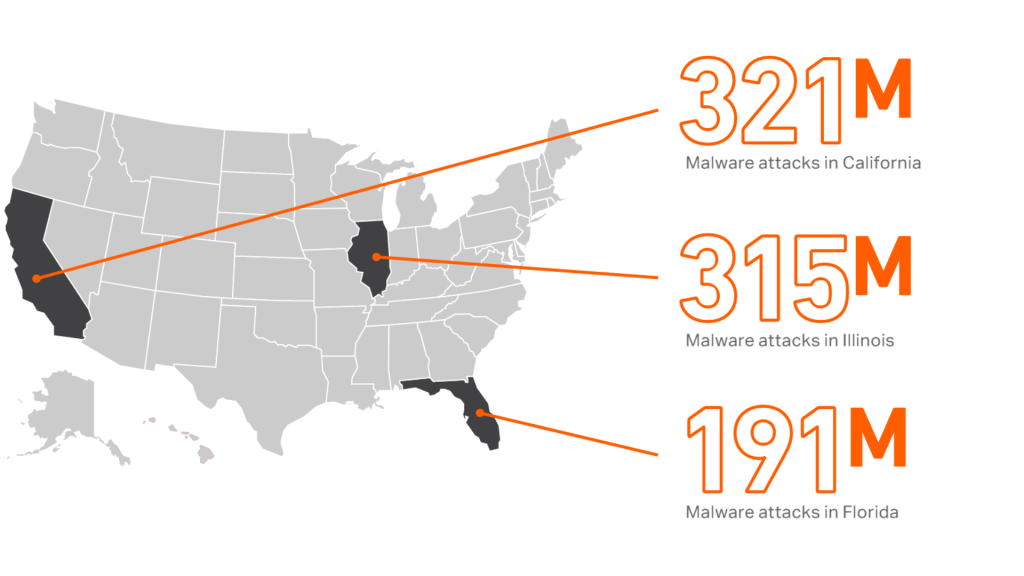
Ransomware attacks have increased in frequency and severity over the past few years. These attacks are a cybercrime in which an attacker gains access to a victim’s computer or network and then encrypts the files, rendering them unreadable. The attacker then demands a ransom for the key required to unlock the files. These attacks have become more sophisticated in recent years, and the damages have become more severe.
Firstly, ransomware attacks are now more effective than ever. Attackers use advanced encryption methods that are almost impossible to break without the encryption key. That means that even if a victim pays the ransom, there’s no guarantee they’ll regain access to their files. This is a stark contrast to previous ransomware attacks, where victims were often able to recover their files without paying the ransom.
Secondly, ransomware attacks are now targeting all-size organizations. This is because attackers realize that more victims are equivalent to a bigger payoff. Small organizations may be unable to afford the required security infrastructure and protocols. They may be forced to pay the ramson instead of going out of business. In contrast, larger organizations are more likely to pay the ransom to avoid the reputational damage from a data breach.
Thirdly, the pandemic created more opportunities for ransomware attacks. The shift to remote work means more employees use personal devices or unsecured networks to access company data. This makes it easier for attackers to access sensitive information like login credentials or financial data.
Fourthly, attackers are now using more sophisticated tactics to evade detection. For example, they may use spear-phishing techniques to access a victim’s computer or network. They may also use fileless malware, which doesn’t leave a trace on the victim’s computer, making it harder to detect and remove.
Finally, the rise of cryptocurrencies has made it easier for attackers to receive ransom payments anonymously. Cryptocurrencies such as Bitcoin are decentralized and allow transactions to be conducted across borders with minimal regulation. This makes it very difficult for law enforcement to track down the attackers and recover the ransom payments.
Ransomware attacks are a growing threat, and individuals and organizations must take steps to protect themselves. Here is where we at EireaNet can help you! We can assist you in implementing strong cybersecurity measures, such as two-factor authentication and regular data backups.

Fill out the form!
Read the Full Report
From one of the Top Leaders In The Industry


 EireaNet